
The logistics industry has never been more complex or more important to global commerce. From consumer electronics and industrial metals to raw minerals that power entire industries, the world relies on efficient and secure supply chains. Yet, not all products can be managed the same way. Shipping a box of smartphones requires entirely different handling than transporting steel beams or exporting copper ore. That’s why niche 3PL providers play such a vital role.
Electronics Logistics: Managing Fragility and High Value
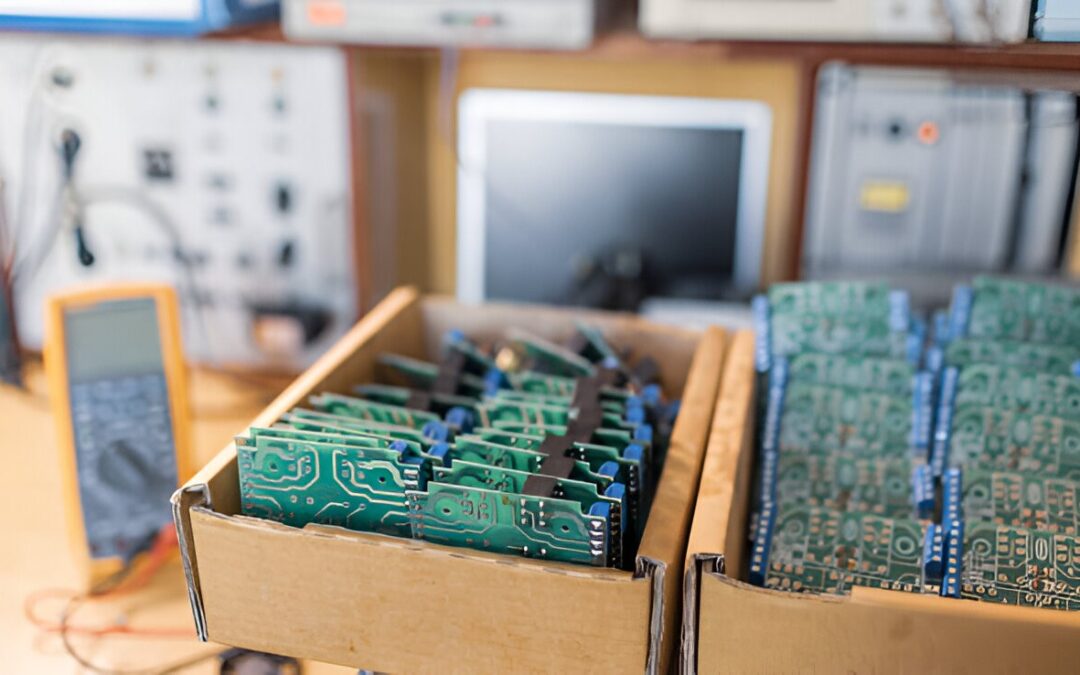
Electronics have become the backbone of modern life, but moving them through global supply chains is anything but straightforward. Smartphones, laptops, semiconductors, and other delicate components are fragile, expensive, and vulnerable to theft. They also often include hazardous materials like lithium batteries, which require careful compliance with international shipping rules.
A 3PL for electronics focuses heavily on protecting the product and ensuring regulatory requirements are met. For example, climate-controlled storage is critical for microchips that cannot withstand extreme temperatures. Packaging is another priority, with anti-static materials and cushioning systems designed to prevent shocks and vibrations during transport.
Key areas where electronics-focused 3PLs add value include:
- Protective packaging with anti-static barriers and cushioning.
- Climate-controlled storage and transport for sensitive components.
- Advanced tracking systems that provide real-time visibility.
- Reverse logistics solutions for returns and recalls.
- Enhanced security protocols to prevent theft.
A global electronics brand launching new devices cannot afford shipment delays or damaged goods. By partnering with a specialized 3PL, they gain peace of mind knowing each product will reach its destination securely, on time, and in compliance with all regulations.
Metals Logistics: Heavy, Complex, and Time-Sensitive
Unlike electronics, metals are anything but fragile. They are heavy, bulky, and rugged. Yet shipping metals like steel, aluminum, and copper presents an entirely different set of challenges. The primary issues are their weight, volume, and exposure to environmental risks like corrosion. These commodities are the backbone of construction and manufacturing, meaning that timely delivery is critical for avoiding costly project delays.
A 3PL for metals logistics must be equipped with specialized infrastructure and equipment. Warehouses need reinforced flooring to handle heavy loads, and transport requires forklifts, cranes, and in some cases, entire rail systems. Logistics providers also have to consider the storage environment. While metals are durable, prolonged exposure to moisture can cause rust and deterioration, which is why covered storage and corrosion-resistant packaging are often used.
In addition, metals logistics involves:
- Heavy-duty handling equipment for oversized cargo.
- Customs and tariff expertise to navigate global trade rules.
- Intermodal transport optimization for cost efficiency.
- Corrosion prevention strategies such as covered storage and coatings.
For industries like construction and automotive manufacturing, just-in-time supply chains are common. This means delays in metal deliveries can halt entire production lines. A niche 3PL provider becomes more than just a transporter—it is a safeguard against operational bottlenecks.
Minerals Logistics: Bulk Handling on a Global Scale
Minerals are the raw backbone of countless industries, from energy and construction to technology and consumer goods. Unlike electronics and metals, minerals are usually shipped in enormous volumes, often by the thousands of tons. Whether it is coal, iron ore, or precious mineral concentrates, moving them requires large-scale logistics operations with highly specialized infrastructure.
A 3PL for minerals logistics is often deeply integrated with the mining and commodities industries. These providers manage not just transport, but also storage, port handling, and export compliance. Bulk handling systems such as conveyor belts, silos, and specialized loading terminals are critical. Because of the enormous scale, intermodal solutions that combine trucking, rail, and ocean freight are almost always required. With Partner 3PL, mining companies gain a trusted logistics partner that ensures efficiency, compliance, and scalability in every stage of mineral transport.
What sets minerals logistics apart is the emphasis on:
- Bulk handling infrastructure like conveyors and silos.
- Environmental compliance with dust and spillage controls.
- Port-side storage and export management for global shipments.
- Scalable solutions that adapt to market shifts and seasonal demand.
For a mining company exporting copper ore, the right logistics provider ensures that shipments move efficiently from remote mines to ports and across international waters with minimal delays.
Comparing Electronics, Metals, and Minerals Logistics
While all three industries rely on logistics, their needs could not be more different. Electronics logistics is centered on protection, compliance, and visibility. Metals logistics is defined by heavy-duty infrastructure, customs expertise, and timely delivery to support industrial supply chains. Minerals logistics is focused on scale, bulk handling, and environmental responsibility.
The contrast highlights why niche 3PL providers are so valuable. A one-size-fits-all solution cannot address the fragility of electronics, the weight of metals, and the scale of minerals simultaneously. Businesses that partner with providers specializing in their sector benefit from tailored infrastructure, industry-specific compliance, and risk management strategies that protect both their cargo and their bottom line.
Choosing the Right 3PL for Your Business
Selecting a 3PL provider is not just about finding someone who can move goods from point A to point B. It’s about choosing a partner who understands your industry’s unique needs.
For electronics companies, this means evaluating providers based on climate control, security, and technology integration. For metals, the emphasis should be on heavy-duty handling, corrosion prevention, and customs expertise. For minerals, the focus must be on large-scale infrastructure, intermodal solutions, and environmental compliance.
The right partner doesn’t just handle logistics—they actively contribute to your business success by ensuring reliability, reducing costs, and enabling growth in competitive markets.
Conclusion
The logistics needs of electronics, metals, and minerals could not be more different. Electronics demand careful handling, protective packaging, and strong security. Metals require heavy-duty infrastructure, corrosion prevention, and customs expertise. Minerals, meanwhile, depend on bulk handling systems, intermodal solutions, and strict environmental compliance.
By working with a niche 3PL provider, businesses gain access to the specialized expertise and infrastructure required to move products safely, efficiently, and in compliance with regulations. More than that, they gain a partner who understands their industry and supports long-term growth. Ready to streamline your supply chain with a trusted logistics partner? Contact Partner 3PL today to discuss customized solutions for your business.
FAQs About Niche 3PL Providers
- Why should I choose a niche 3PL over a general provider?
Niche providers bring specialized expertise, infrastructure, and compliance knowledge that generalists often lack. This reduces risks of damage, delays, and regulatory penalties. - Can a single 3PL handle different industries like electronics and metals?
Some large 3PLs serve multiple sectors, but many businesses find greater value in providers who focus on their specific industry niche. - How do niche 3PLs use technology differently?
Electronics-focused 3PLs rely heavily on real-time tracking and integration with e-commerce platforms, while metals and minerals logistics providers may prioritize freight optimization and intermodal planning systems. - Are niche 3PLs more expensive?
Not necessarily. While their services may seem specialized, they often reduce hidden costs by preventing damage, delays, and compliance issues. - How do I evaluate if a 3PL is right for my business?
Look for proven experience in your sector, evidence of specialized infrastructure, compliance knowledge, strong technology systems, and the ability to scale with your growth.