
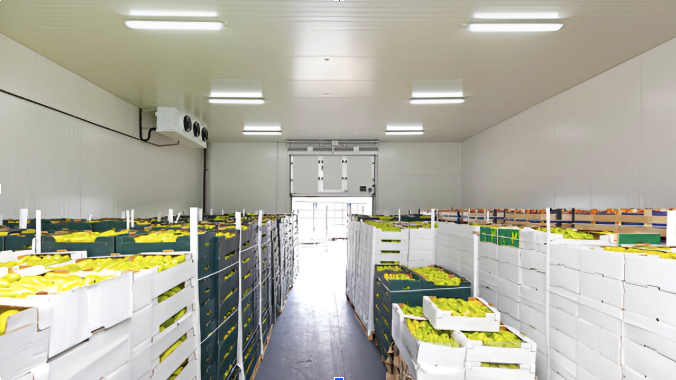
As consumer expectations rise and supply chains stretch across the globe, the handling of temperature-sensitive products has become a specialized science. From organic meal kits and frozen foods to high-value vaccines and biologics, maintaining temperature integrity is non-negotiable. That’s where temperature-sensitive third-party logistics (3PL) providers step in.
These logistics partners do more than just store and move goods—they preserve their condition, ensure regulatory compliance, and protect brand reputation. Choosing the right 3PL fulfillment partner becomes especially critical for food brands and pharmaceutical companies, where temperature control directly impacts product integrity and consumer trust. Understanding the scope and importance of temperature-sensitive 3PLs is crucial to operational success, long-term growth, and regulatory peace of mind.
This guide unpacks the fundamentals, challenges, and advantages of working with specialized 3PLs, providing clarity for businesses navigating perishable supply chains.
What Are Temperature-Sensitive 3PLs?
Temperature-sensitive 3PLs specialize in storing, handling, and distributing products that must be kept within specific temperature ranges. These include frozen, refrigerated, and ambient-controlled goods.
Unlike general 3PLs, which operate warehouses and fulfillment centers under standard conditions, temperature-sensitive providers invest in cold storage systems, temperature monitoring technologies, insulated vehicles, and advanced inventory systems. Their entire infrastructure is built around climate control, ensuring that products remain safe, potent, and compliant throughout their journey.
Food and pharma businesses often rely on these providers to reduce the risks of spoilage, contamination, and compliance failures. In industries where product quality is critical, these risks aren’t minor—they can result in reputational damage or financial loss.
The Role of Cold Chain Logistics
Cold chain logistics is the end-to-end process of moving temperature-controlled goods across the supply chain while preserving their required environmental conditions. It starts at the point of manufacture or harvest and continues through warehousing, distribution, and final delivery.
Sophisticated cold chain networks are made up of temperature-controlled warehouses, refrigerated trucks, cold shipping containers, and last-mile solutions that keep goods within their ideal range. Advanced logistics providers also use real-time tracking systems and IoT sensors to continuously monitor temperature levels and provide alerts in case of deviation.
Maintaining an unbroken cold chain is critical. A single temperature excursion can render pharmaceutical products ineffective or cause food to spoil. That’s why temperature-sensitive 3PLs invest heavily in redundancy systems, digital tracking, and fast-response protocols to prevent and mitigate risks.
Perishable Fulfillment for Food Brands
For food and beverage companies, freshness is a promise—and that promise is built on logistics. Whether shipping fresh produce, frozen desserts, dairy products, or ready-to-eat meals, businesses must ensure their items are picked, packed, stored, and shipped in highly controlled environments.
Temperature-sensitive 3PLs offer food-grade storage facilities that meet strict safety and hygiene standards. Their staff is trained to follow best practices around food handling, including allergen segregation, cross-contamination prevention, and sanitation compliance. Packaging areas are temperature-controlled to reduce exposure during fulfillment.
These providers, like partner3pl, also understand how to manage short shelf-life inventory using FIFO (First-In, First-Out) systems, real-time stock visibility, and time-sensitive delivery routes. The result is a smoother flow of fresh and frozen goods from warehouse to customer, with minimal risk and maximum quality preservation.
Pharma 3PL: Regulatory, Compliant, and Critical
The pharmaceutical industry operates under some of the most rigorous logistics requirements in the world. Drugs, vaccines, and biologics often need to be stored within specific temperature ranges—sometimes ultra-cold—and any breach in those parameters can compromise their effectiveness.
Pharma 3PLs are built to meet these exacting standards. They operate in full compliance with Good Distribution Practice (GDP) and Good Manufacturing Practice (GMP), and they provide full traceability from batch-level inventory to time-stamped temperature logs.
Regulatory authorities require strict documentation for pharmaceutical supply chains. Temperature-sensitive 3PLs offer digital logs, audit trails, and automated compliance reporting, allowing pharma companies to demonstrate full transparency during inspections.
Additionally, these facilities often include security-controlled zones, backup power systems, and specialized pharma-packing stations. For companies distributing high-value therapies or sensitive compounds, working with a pharma-certified 3PL is not just a convenience—it’s an operational requirement.
The Importance of Food-Grade Facilities
Food-grade logistics centers are essential for businesses that rely on freshness and food safety. These warehouses are designed and maintained according to national and international food handling standards, such as HACCP (Hazard Analysis Critical Control Points) and FSMA (Food Safety Modernization Act).
Every aspect of a food-grade 3PL facility is optimized to protect consumables—from insulated dock doors and sealed floors to air filtration and pest prevention systems. Zoning is used to separate allergens, organics, raw materials, and ready-to-eat items, ensuring safety and regulatory compliance.
By outsourcing to a food-grade 3PL, brands reduce contamination risks, gain faster recall response capabilities, and benefit from clean, validated environments that maintain product integrity. This leads to fewer losses, happier customers, and fewer compliance challenges.
Why Businesses Choose Temperature-Sensitive 3PLs
Beyond the obvious benefit of temperature control, specialized 3PLs offer several strategic advantages. They allow businesses to scale rapidly without the heavy capital investment needed for building and maintaining their own cold-chain infrastructure.
These partners also bring operational expertise to the table. From custom packaging solutions and regulatory knowledge to geographic reach and last-mile capabilities, their value extends far beyond physical warehousing.
Moreover, their systems are integrated and data-driven, offering real-time insights into inventory, temperature, and delivery status. This level of visibility enhances decision-making and helps businesses anticipate issues before they escalate.
Perhaps most importantly, a trusted 3PL partner becomes an extension of your brand. Their ability to consistently deliver fresh, compliant, and high-quality goods affects customer satisfaction, retention, and brand loyalty.
Selecting the Right 3PL Partner
Choosing a 3PL for temperature-sensitive products requires a thorough evaluation. Businesses should assess a provider’s experience with similar goods, certifications, technological capabilities, and their ability to scale with your growth.
Ask questions about their average on-time delivery rates, how they handle temperature excursions, whether they provide real-time temperature logs, and how they ensure compliance with industry regulations.
Look for a partner who understands your specific market—whether it’s regional food delivery, international pharma distribution, or subscription-based meal kits. An ideal 3PL partner doesn’t just ship boxes—they protect your brand promise.
Trends Shaping the Future of Temperature-Sensitive Logistics
As consumer expectations and regulatory standards evolve, so too does the logistics industry. Cold chain providers are embracing digital transformation, using machine learning and AI to optimize routing, prevent temperature excursions, and predict equipment failures.
Blockchain is also emerging as a solution for supply chain transparency, offering immutable records of temperature history and handling at every stage. This could become particularly important for pharma companies seeking secure and tamper-proof compliance documentation.
Sustainability is another growing focus. New refrigeration technologies are being developed that consume less energy and use eco-friendly refrigerants. Some 3PLs are even introducing electric refrigerated trucks and solar-powered warehouses to reduce their environmental footprint.
For food and pharma companies, aligning with forward-thinking 3PLs means not only meeting today’s logistics needs but also preparing for tomorrow’s demands.
Conclusion
Temperature-sensitive 3PLs are vital to modern supply chains, especially for industries where product integrity is directly linked to safety, health, and consumer trust. They provide more than just storage—they offer reliability, scalability, compliance, and brand protection.
From cold chain innovation and perishable fulfillment to pharma compliance and food-grade operations, specialized 3PLs empower brands to deliver on their promise of quality. For food brands, they ensure freshness. For pharmaceutical companies, they safeguard efficacy. And for both, they reduce operational risks and drive long-term growth.
If you’re in a business where temperature matters, partnering with the right 3PL is one of the smartest strategic moves you can make. Contact us today to learn how we can support your cold chain needs with precision, safety, and scalability.
FAQs
- What does a temperature-sensitive 3PL do?
A temperature-sensitive 3PL stores, handles, and ships products that must be kept at specific temperature ranges. This includes refrigerated, frozen, and climate-sensitive goods such as pharmaceuticals, fresh foods, and biologics. - How do these 3PLs maintain the correct temperature during transport?
They use refrigerated vehicles, insulated packaging, IoT temperature sensors, and route optimization tools to ensure that products remain within the required temperature window during transit. - What’s the difference between a regular 3PL and a temperature-sensitive 3PL?
Regular 3PLs handle standard storage and shipping, often at ambient conditions. Temperature-sensitive 3PLs are equipped with cold storage facilities, refrigerated transport, and compliance systems specifically for perishable or fragile products. - Why is regulatory compliance so important in temperature-controlled logistics?
In industries like pharma and food, improper temperature handling can lead to spoilage or loss of efficacy, which can result in fines, recalls, or harm to consumers. Compliance ensures safety and protects brand integrity. - Can a temperature-sensitive 3PL help with scaling my business?
Yes. These providers offer flexible storage, seasonal capacity, and geographic coverage, enabling brands to expand into new markets or increase volume without investing in infrastructure.